
RESP Contributions & Tax Planning for Education
Learn how RESP contributions work, how to maximize government grants, and how smart tax planning today can reduce your child’s future education costs in Canada.
11/23/20253 phút đọc
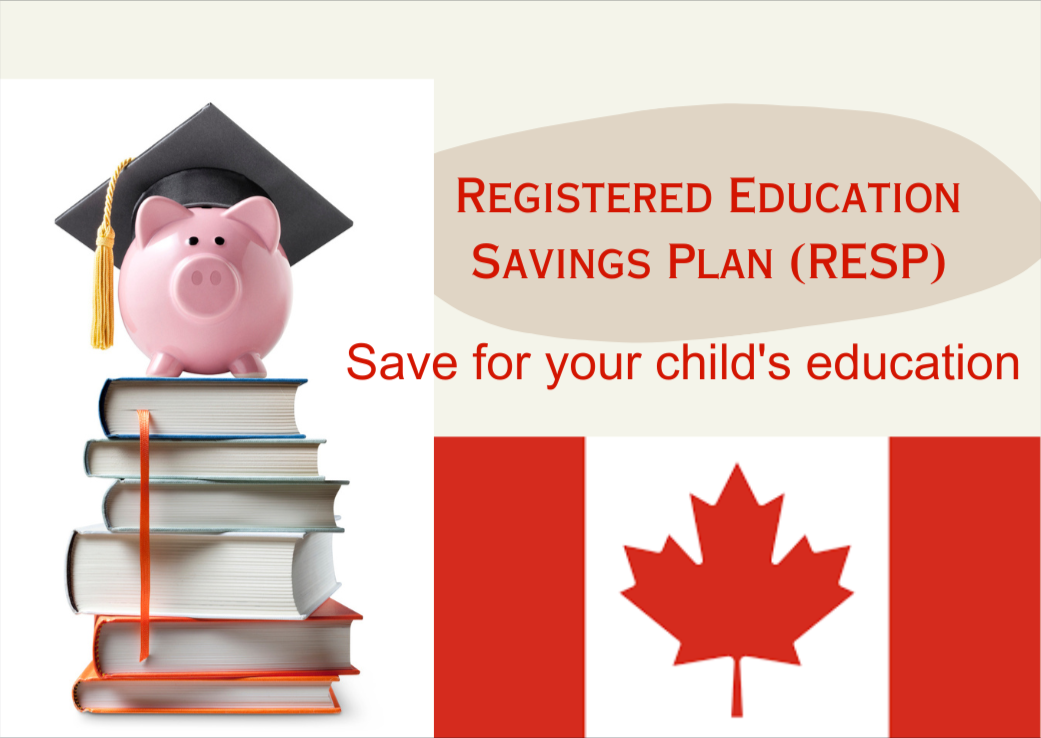
Saving for your child’s education doesn’t have to feel overwhelming. The Registered Education Savings Plan (RESP) is one of the most powerful tools available to Canadian parents—especially when combined with smart tax planning.
When used correctly, an RESP can turn a small yearly contribution into tens of thousands of dollars for college or university.
Here’s a simple guide to how RESP contributions work and how to get the most out of them.
1. What an RESP Actually Is
An RESP is a special investment account designed to help pay for your child’s post-secondary education.
The big advantage?
The government helps you grow this money through grants and tax-free investment growth.
Key features:
You can contribute up to $50,000 per child.
The government adds 20%–40% on top of your contributions (CESG + CLB).
The money grows tax-free inside the account.
Taxes are paid later by the student—who usually pays almost nothing.
2. How the RESP Government Grant Works (CESG)
The Canada Education Savings Grant (CESG) is the biggest benefit.
You get:
20% grant on your annual contributions
Up to $500/year
Lifetime maximum $7,200
Example:
If you contribute $2,500 per year, the government gives you $500 every year.
If you can’t contribute every year, the RESP allows catch-up room, so you can get up to $1,000 in grants in a single year.
3. Extra Money for Lower-Income Families (CLB)
The Canada Learning Bond (CLB) gives families with lower income an extra boost:
Up to $2,000 per child
No contributions required to receive it
Many families are surprised to learn they qualify—over 40% of eligible children are not enrolled.
4. How RESP Contributions Help With Tax Planning
RESPs themselves don’t give you a tax deduction (unlike RRSPs),
but they save you tax in three powerful ways:
1. Tax-free growth inside the account
Interest, dividends, and investment growth are sheltered.
2. Student pays the tax later
When your child withdraws money for school:
Grants + investment growth are taxed under the student’s name
Students often pay zero tax because of low income and tuition credits
3. You can reduce family income for benefit programs
This helps families receiving:
CCB (Canada Child Benefit)
GST/HST credit
Provincial benefits
Because RESP contributions don’t count as a deduction, they don’t reduce your benefit amounts the way RRSP withdrawals or other income might affect them.
5. How Much Should You Contribute?
To maximize grants efficiently:
✔ $2,500 per year per child
This gives you the full $500 CESG annually.
If you can’t do $2,500, even $50 per month is better than doing nothing.
If you missed previous years, contribute $5,000 to get $1,000 in CESG (catch-up).
6. How RESP Withdrawals Work for School
When your child goes to college, university, or trade school, they can withdraw:
1. Contributions (your money)
Tax-free, anytime.
2. Grants + growth (EAP – Educational Assistance Payments)
Taxable to the student, not you.
Because students typically have low income, they normally pay little or no tax on EAP withdrawals.
7. What If Your Child Doesn’t Go to School?
You still have options:
Transfer RESP growth into your RRSP (up to $50,000 if you have room)
Transfer RESP to another child
Keep the RESP open for 36 years
Contributions are always returned tax-free
Grants may need to be returned to the government, but investment growth remains yours
So the money never disappears—you have choices.
8. Smart Tax Planning Tips for RESP Success
✔ Open the RESP early
More years = more growth and more grant room.
✔ Automate small monthly contributions
This builds consistency and ensures you don’t miss grants.
✔ Combine RESP with RRSP planning
Parents can reduce their income with RRSP contributions while growing education savings tax-free inside the RESP.
✔ Review your plan every year
Income changes, grants, and eligibility can shift.
✔ Keep track of contributions
Avoid exceeding the $50,000 lifetime limit.
Final Thoughts
RESPs are one of the most valuable financial tools for Canadian families. They combine tax-free growth, federal grants, and flexible planning to help your child graduate with less debt and more opportunity.
Whether you contribute a little or a lot, starting early and staying consistent can turn small savings into a major education fund.
TiKi Tax
© 2025. All rights reserved.